
What is the minimum volume requirement for specimens and models to guarantee representative behavior of microstructurally small cracks? Ph.D. student and NDSEG Fellow, Karen DeMille, recently published a paper in Engineering Fracture Mechanics that seeks to answer this very question. She found that the answer depends upon the microstructural arrangement near the crack front as well as the boundary conditions. Her work provides a closed-form approximation for experimentalists and modelers to quickly estimate, under certain assumptions, how much volume would be needed to guarantee that crack-front fields are converged and therefore representative of a crack in a larger structure....
Continue readingIMMI paper on generating grain-resolved foam models
Dr. Joe Tucker (Exponent) and Prof. Spear published a paper recently in the journal Integrating Materials & Manufacturing Innovation (IMMI) that describes a new capability in the widely used software DREAM.3D that allows for generating open-cell, polycrystalline metallic foams. The new capability allows users to generate completely synthetic polycrystalline foam structures, or to overlay synthetic grain structures onto 3D image data of real open-cell foams (for example, from X-ray CT). The plug-in will soon be available free to the public. To read more, click here. The work will appear in a thematic issue of IMMI on 3D Materials Science and is supported by...
Continue reading
Podcast episode features our work on infant skull fracture
In a recent episode of the podcast Just Science, Dr. Brittany Coats was interviewed about our collaborative DOJ Grant (2016-DN-BX-0160) on predicting infant skull fracture due to impact. Contributors on the project include MMM Lab member, Jun Yan “Jimmy” He. Check it out! Listen to podcast Just Science is a podcast hosted by the National Institute of Justice (NIJ) Forensic Technology Center of Excellence (FTCoE), which “is committed to improving the practice and strengthening the impact of forensic science through rigorous technology corroboration, evaluation, and adoption; effective knowledge transfer and education; and comprehensive dissemination of best practices and guidelines to...
Continue reading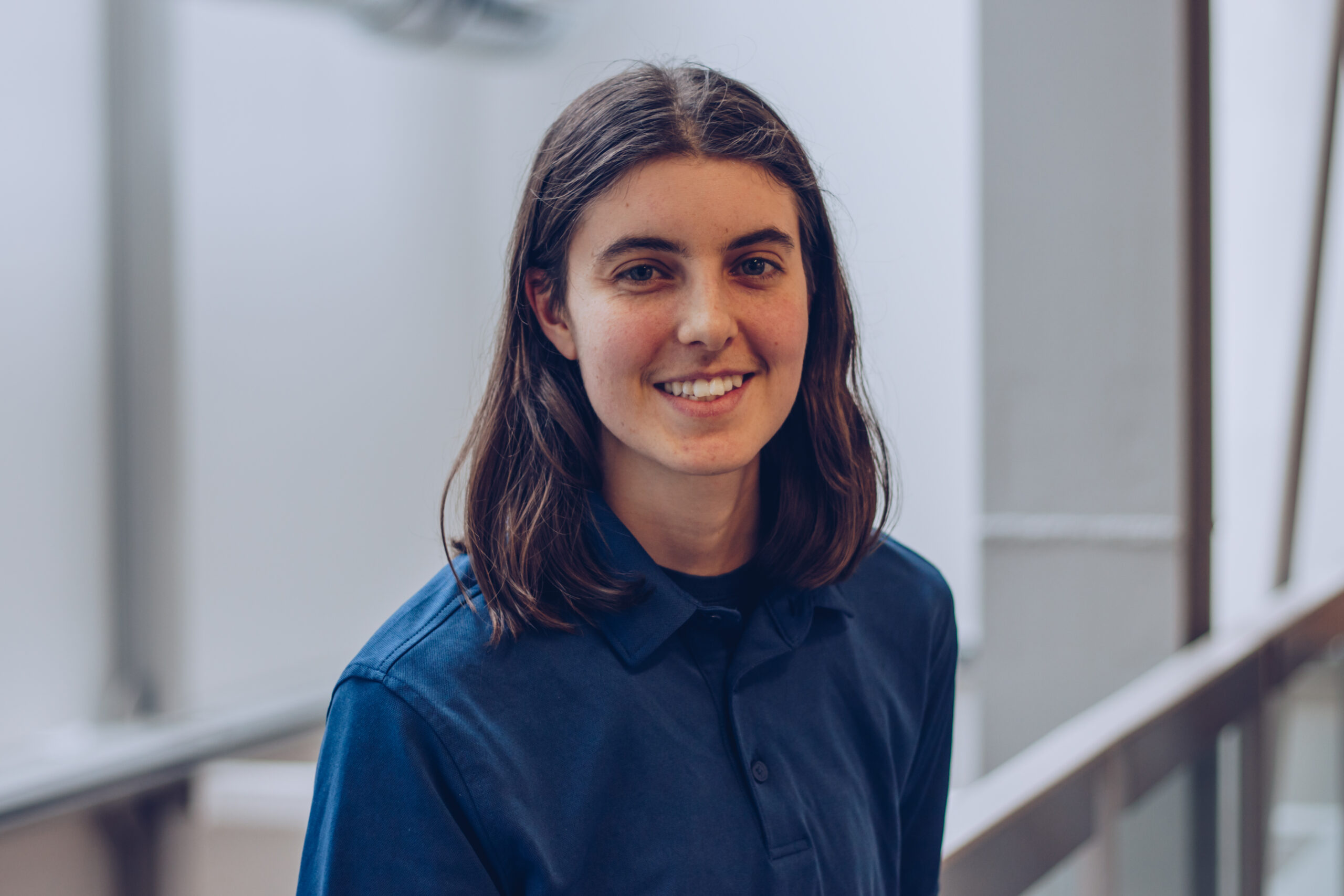
PhD student, Karen DeMille, receives NDSEG Fellowship
Congratulations to MMM Lab member, Karen DeMille, who was recently awarded the prestigious National Defense Science and Engineering Graduate (NDSEG) Fellowship. A complete story about Karen’s success can be found at this link. We are proud of you, Karen!...
Continue reading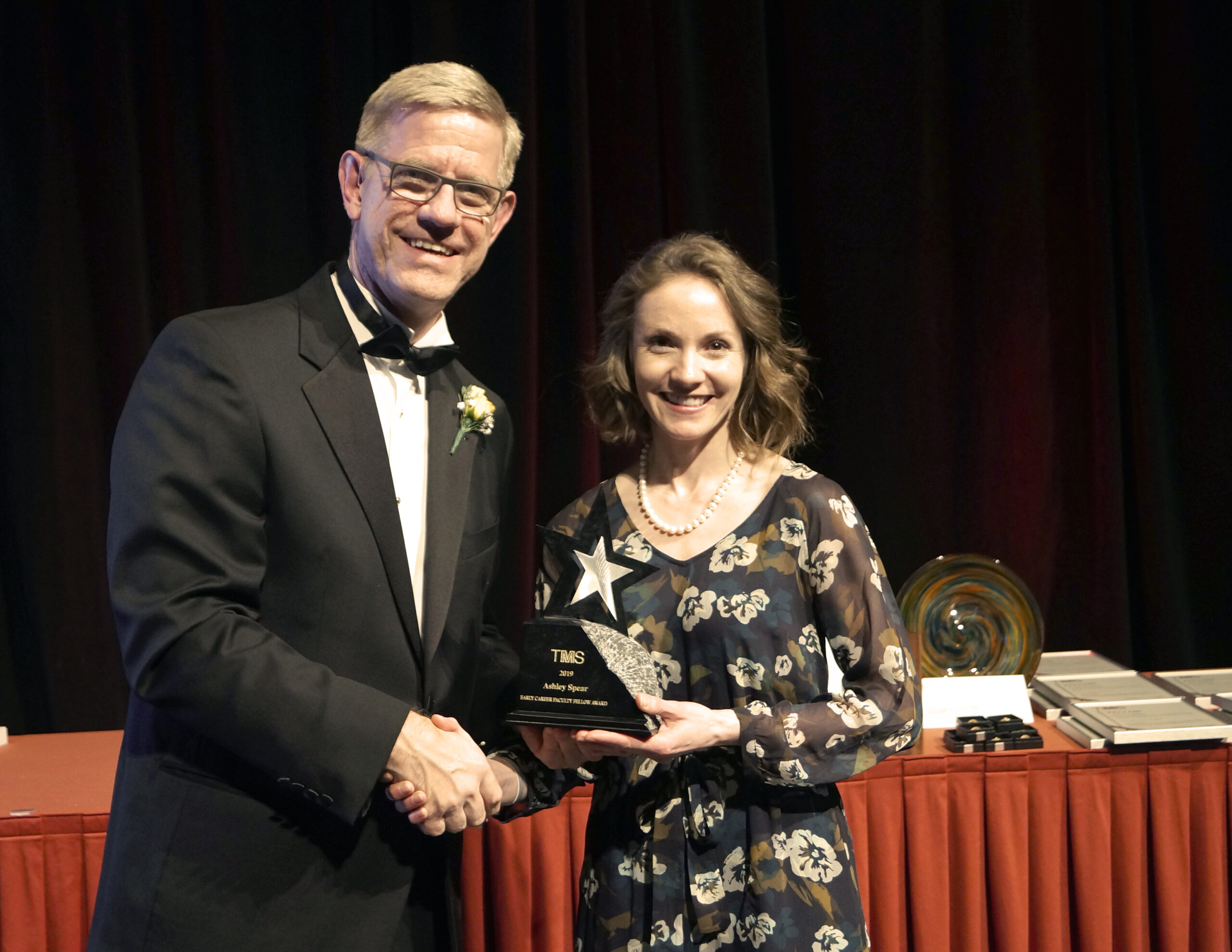
Spear Receives TMS Early Career Faculty Fellow Award
Mechanical Engineering Assistant Professor Ashley Spear was recently awarded the Early Career Faculty Fellow Award by TMS (The Minerals, Metals, & Materials Society). The award is given annually to an assistant professor “for his or her accomplishments that have advanced the academic institution where employed, and for abilities to broaden the technological profile of TMS.” To be redirected to the original article, click here....
Continue reading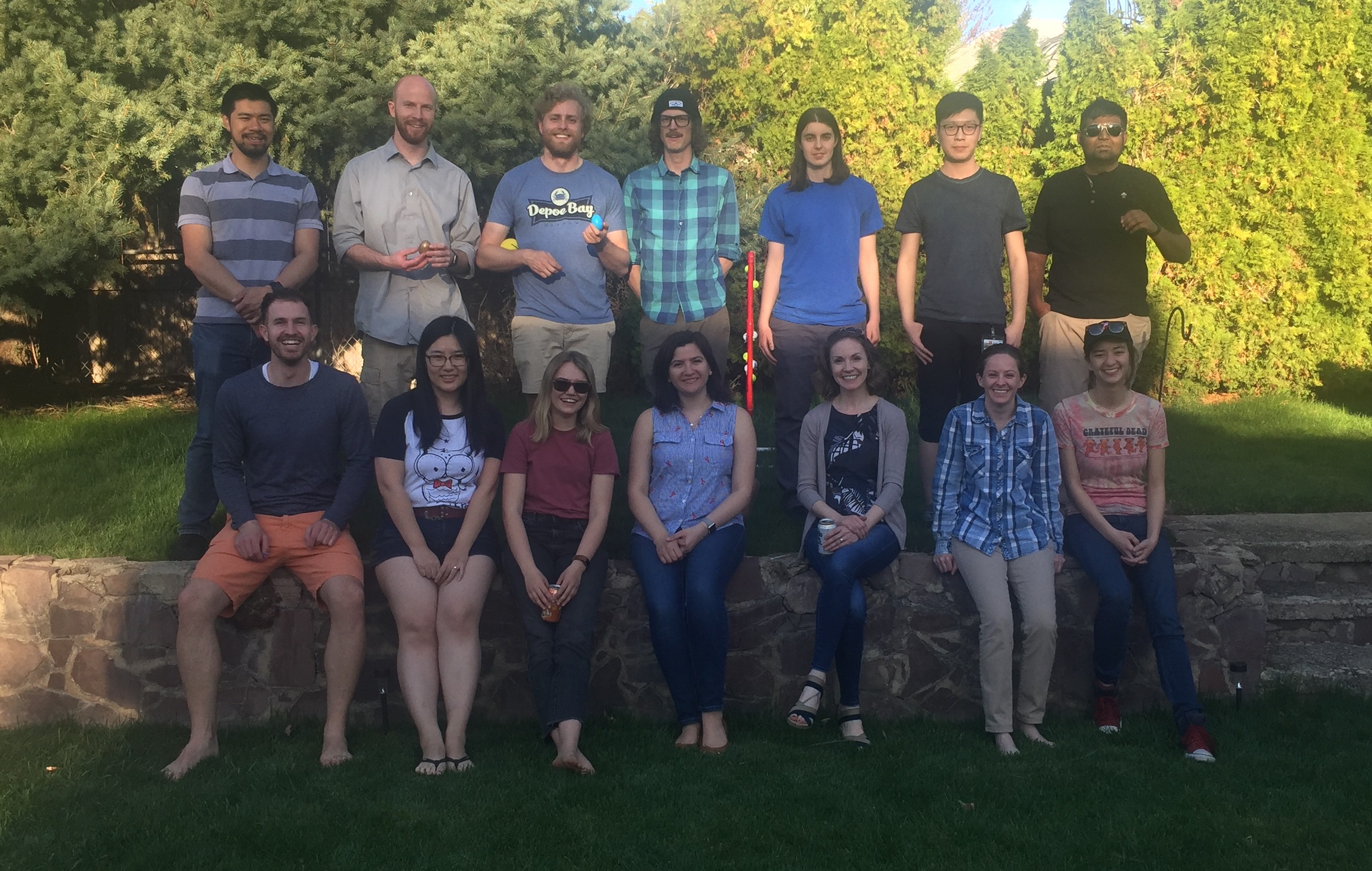
Spring activities in the MMM Lab
Check out the latest activities from the MMM Lab. April 19th: Nadia hosted a spring party for the MMM Lab. Activities included corn hole, spikeball, ladder ball, and an egg hunt. April 12th: Post-doctoral researcher, Nadia Kouraytem, presented work from the MMM Lab at the APS Users Science Meeting at the Advanced Photon Source at Argonne National Lab. Her presentation was entitled “Microscale characterization and modeling of additively manufactured metals”. On the same day, Prof. Spear gave a seminar at Ohio State University on “A multi-scale, multi-physics modeling framework to predict spatial variation of properties in additive-manufactured metals”. April...
Continue reading
New $3M grant from DOD
University of Utah Mechanical Engineering professors Bart Raeymaekers, Ashley Spear, Tim Ameel, Wenda Tan, and Owen Kingstedt have received a $3M grant from the Department of Defense to continue research efforts on metal-based additive manufacturing. The grant is a collaboration with Colorado School of Mines and Carnegie Mellon University. To access the original news article, click here....
Continue reading
Upcoming presentations on coupling MD simulations with machine learning
Postdoctoral researcher, Dr. Aowabin Rahman, will give two upcoming presentations on his work, entitled, Designing High-strength Carbon-nanotube Polymer Composites Using Reinforcement Learning Algorithms Integrated with Molecular Dynamics Simulations. The work will be presented at the following conferences: American Physical Society (APS) March Meeting, Boston, Massachusetts Thursday, March 7, 2019 TMS Annual Meeting, San Antonio, Texas Monday, March 11, 2019 The work is a collaboration with researchers from Michigan Tech and is sponsored by the NASA STRI US-COMP. To learn more about US-COMP, click here. ...
Continue reading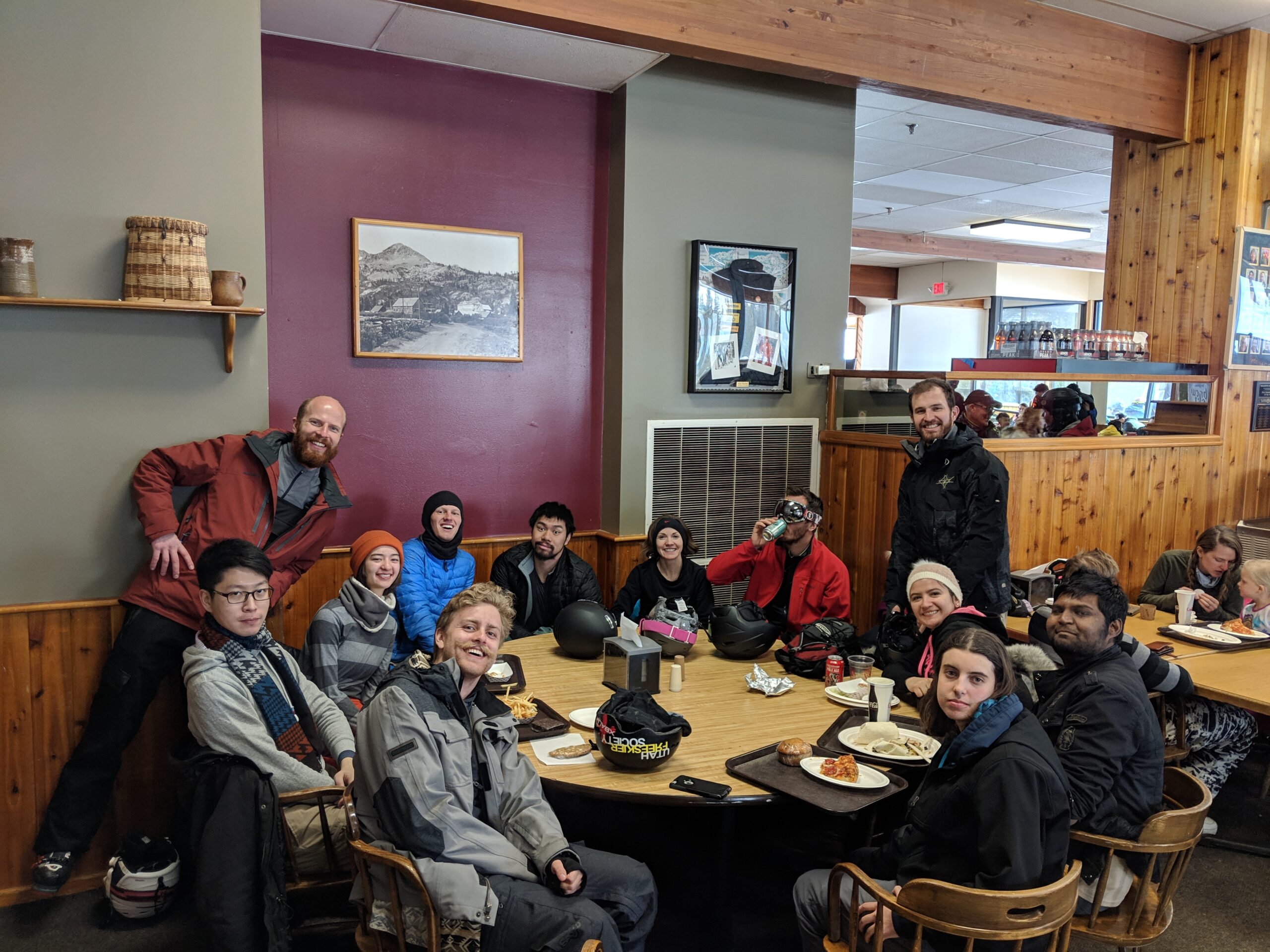
Lab Ski Day
MMM Lab recently enjoyed a beautiful day in Big Cottonwood Canyon, skiing, snowboarding, or sledding. A much-deserved day to play for a very hardworking crew! ...
Continue reading
Congratulations to PhD Candidate, Brian Phung!
MMM Lab member, Brian Phung, successfully defended his PhD proposal on January 7th. He also learned, on the same day, that his first-author paper entitled “A voxel-based remeshing framework for the simulation of arbitrary three-dimensional crack growth in heterogeneous materials” was accepted for publication in the journal Engineering Fracture Mechanics. The paper will soon be available online. Great work, Brian!...
Continue reading